Especially after the setbacks I’ve endured over the past three years, it’s a bit like that:

But the thing is, keep moving forward.

Especially after the setbacks I’ve endured over the past three years, it’s a bit like that:
But the thing is, keep moving forward.
A few weeks ago, I had used a line that most people would have thought, “Oh, that was Teddy Roosevelt…”
Do what you can, with what you’ve got, where you are.
Not Theodore Roosevelt
Yep, not Teddy Roosevelt.
But he said it! It’s in his autobiography! Yes, yes, yes, it’s in the autobiography. But if you want to know who first said it, that has been lost to the pages of history apart from being stated by Roosevelt in Chapter X of his autobiography, The Presidency; Making An Old Party Progressive.
He, himself, wasn’t attributing it to anyone else in particular. He quoted somebody else, Squire Bill Widener of Widener’s Valley, Virginia, who, himself, was quoting a third-party altogether.
In a fuller context, the line was:
…the greatest happiness is the happiness that comes as a by-product of striving to do what must be done, even though sorrow is met in the doing. There is a bit of homely philosophy, quoted by Squire Bill Widener, of Widener’s Valley, Virginia, which sums up one’s duty in life: “Do what you can, with what you’ve got, where you are.”
Theodore Roosevelt, An Autobiography
Don’t make excuses.
Don’t seek a panacea.
Don’t wait until something.
Persevere.
Tends to sum up how everyone went from Jr. to Sr.

To further the analogy, how the Sr. left/retired.
Very possibly to be the view from the porch.

No longer a whistle-stop that you’ve probably never heard of. Still on one of the main heavy and passenger rail lines that cross Washington State.
Also, it is apparently not pronounced like the Española that you have heard of. Who knew?
I’ll just leave this here as reference:
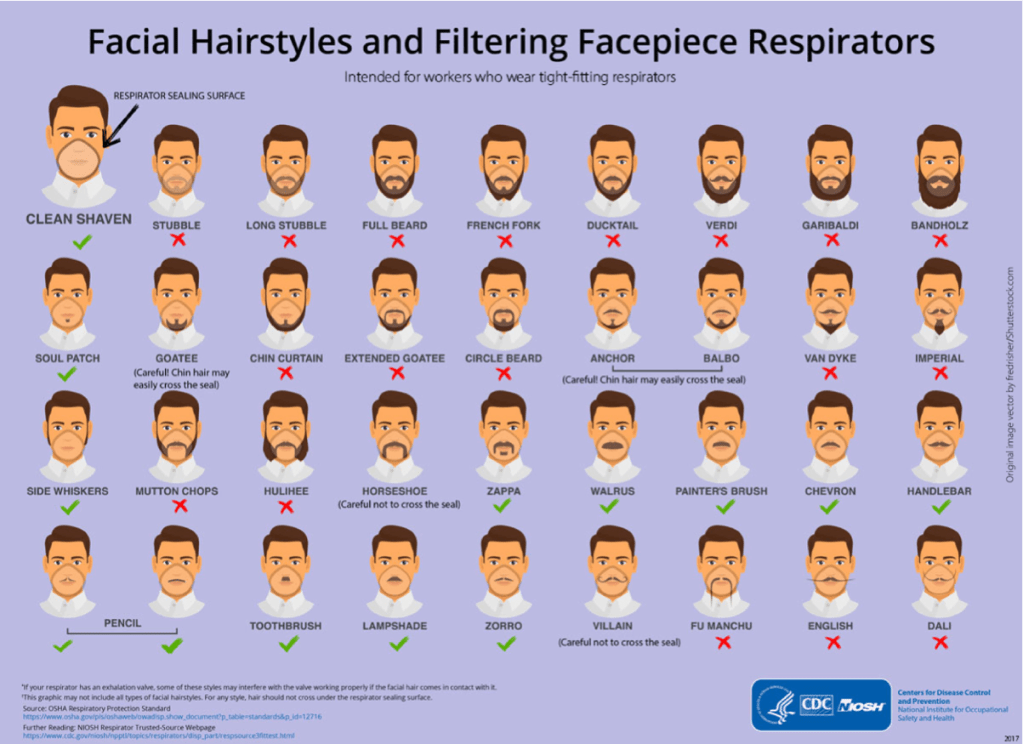
Alas, I’m too socially insecure to ensure my face is clean-shaven.
 the rest of me