Wow… Moses Lake is growing up a bit.
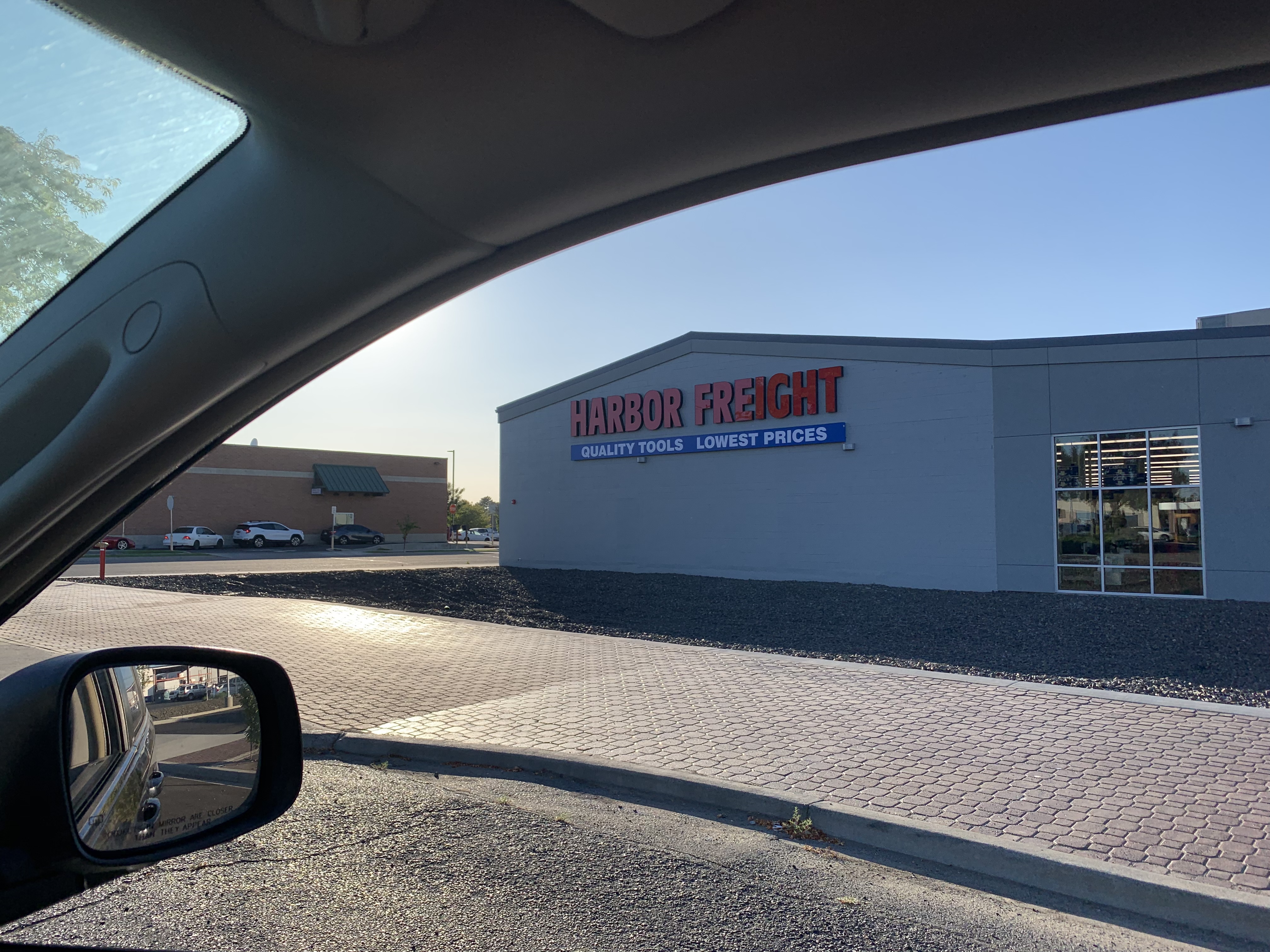

Wow… Moses Lake is growing up a bit.
Started painting the interior doors.

Improvised a spray station in the workshop — protect the floor and walls from overspray. The first four doors needed to be sanded as well.
Reminder: primer isn’t paint. The primer that’s applied when doors are manufactured will still need to be painted. It’s just primer — it does nothing to stop dirt, wear, use.

This, though, should do nicely. We had it tinted of course because ultra pure white is whiter than you think.
So, after the first coat of paint on the doors…
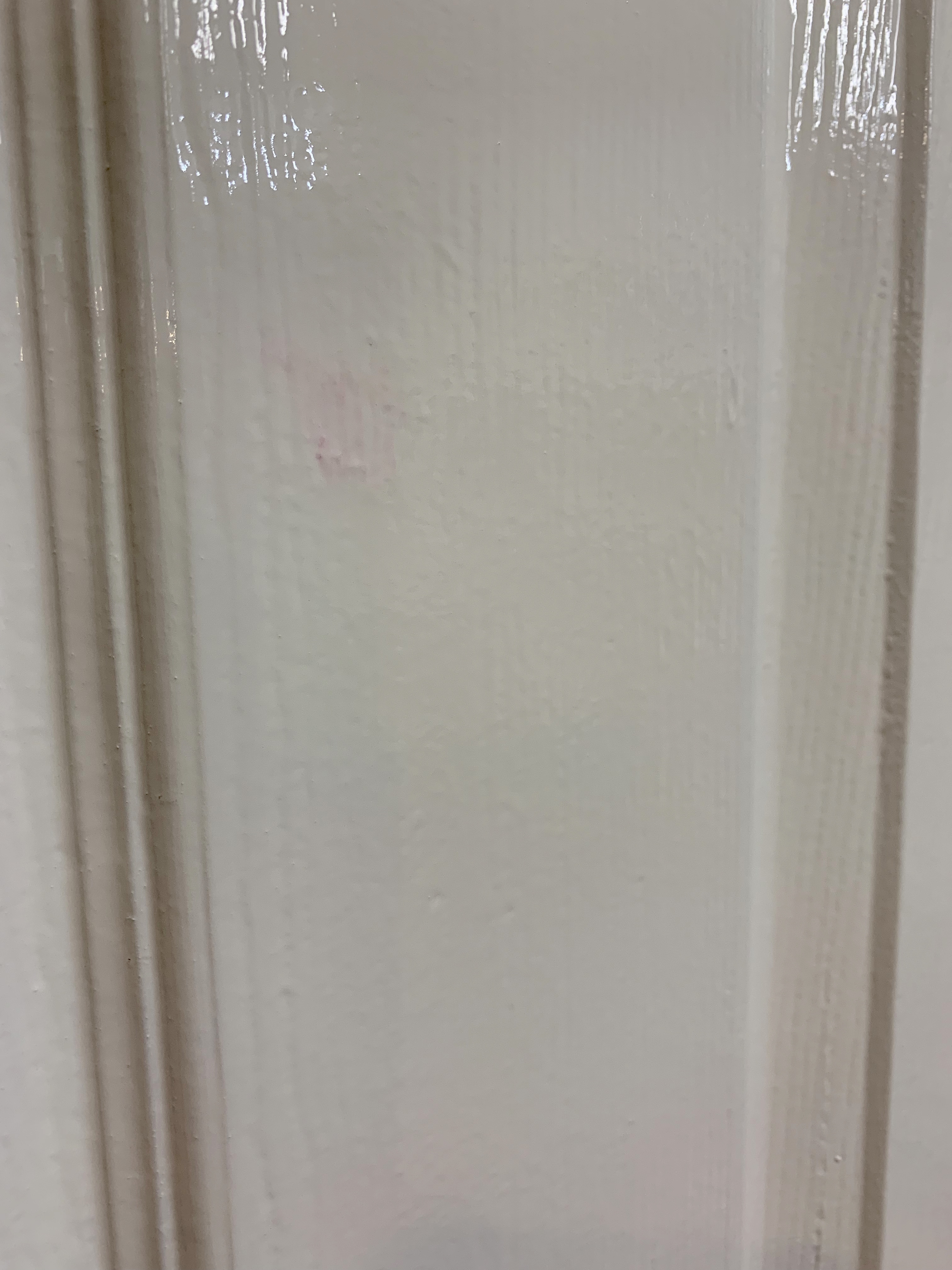
I spied something red probably soaking through the paint. I guess I’ll have to sand that down and use a more thorough chemical to remove it — denatured alcohol is the next thing to try. Easy enough.

Oh.
Okay, I can deal with that — but I’ll need to let it dry so I can sand it off.
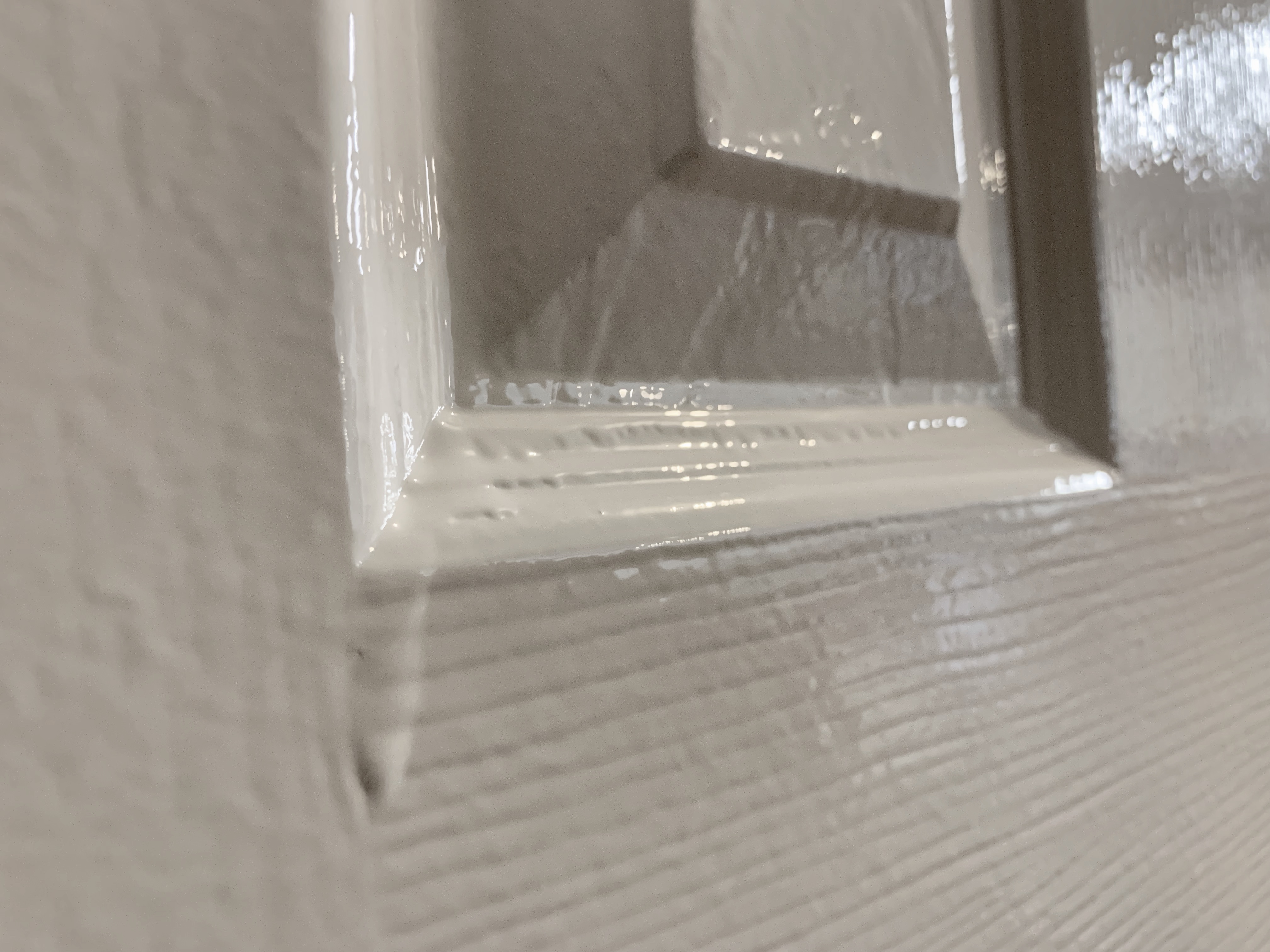
Er…

Alright, that’s annoying. Wait for them to dry, then start sanding.
Perhaps I’ll try a smaller tip, slightly lower pressure, and a bit more speed.
Or switch to an HVLP so I can dial the delivery way back.
Or rig up a door spray-stand and shoot them flat, one at a time. I’m sure it would yield passable results, but it would be insanely time consuming. Two days per door x 19 doors… maybe we’ll just try an HVLP instead.
…time to retire them.
I’ve had these for a few years. I bought them when I was in Pennsylvania as running shoes. And they ended up becoming everyday-wear and even made a trek around the globe.

But maybe it’s time to retire them.
Have you learned how to think? Or learned what to think?
To borrow a phrase, “You must unlearn what you have learned.”
What would happen, if a small bit of land were inundated by water?
We see this all the time at very small scales.
Rivers, dams, coastal lagoons and beaches.
Now think of it slightly larger:
The ocean would wash across the land. Water volumes sufficient to inundate the land, would generate turbulence enough to collect up and suspend its own floor within the moving water column.
When it washes across the land, it would deposit its sediment in alluvial patterns.
The vegetation would die in short order from the salt-water poisoning. The landscape would change.
We’ve observed this in the rather small-scale localized tsunami in 2011 that struck the coast of Japan.
Now consider it occurring at a larger scale. A Pacific Arboreal forest localized on the Olympic Penninsula, for example. More energy. More water. More sediment. More mud.
How about at an even larger scale were it localized in South America? All of that dead or dying material would decay. The mud sediment would dry and in time become sand. Without water retention and a disruption of its own water cycle, it would become a desert.
Its rivers and tributaries, too, would change as a result of the mud collection.
What about at an even larger scale? Localized in Northern Africa?
With the deposit of mud and sediment, the loss of vegetation to retain water, it’s not at all unreasonable to envision that the climate and waterflow would change. Dramatically.
Sediment would be deposited in significant alluvial patterns just as we observe at much smaller scales elsewhere.
Yes, 100 years (or fewer) would seem quite plausible, and the very fabric of the land would drastically change.
It’s presently difficult for us to pin down a date with any certainty, but there is already emerging information that tends to point to a specific, cataclysmic event: 12,000 years ago.
A rather good summary of the radio waves coming from lightning:
He does mention the Inspire VLF-3 radio kit, which you can order here. A neat kit, although it’s admittedly a bit pricey. But, it is complete with PCBs, discrete components, and instructions. You need only add a soldering iron. If you’re looking to explore more than simply QRP transceivers, it’s a good step in the exploration.
Also this:

 the rest of me