Only because this is is part of something that’s been consuming my time and attention for four years:
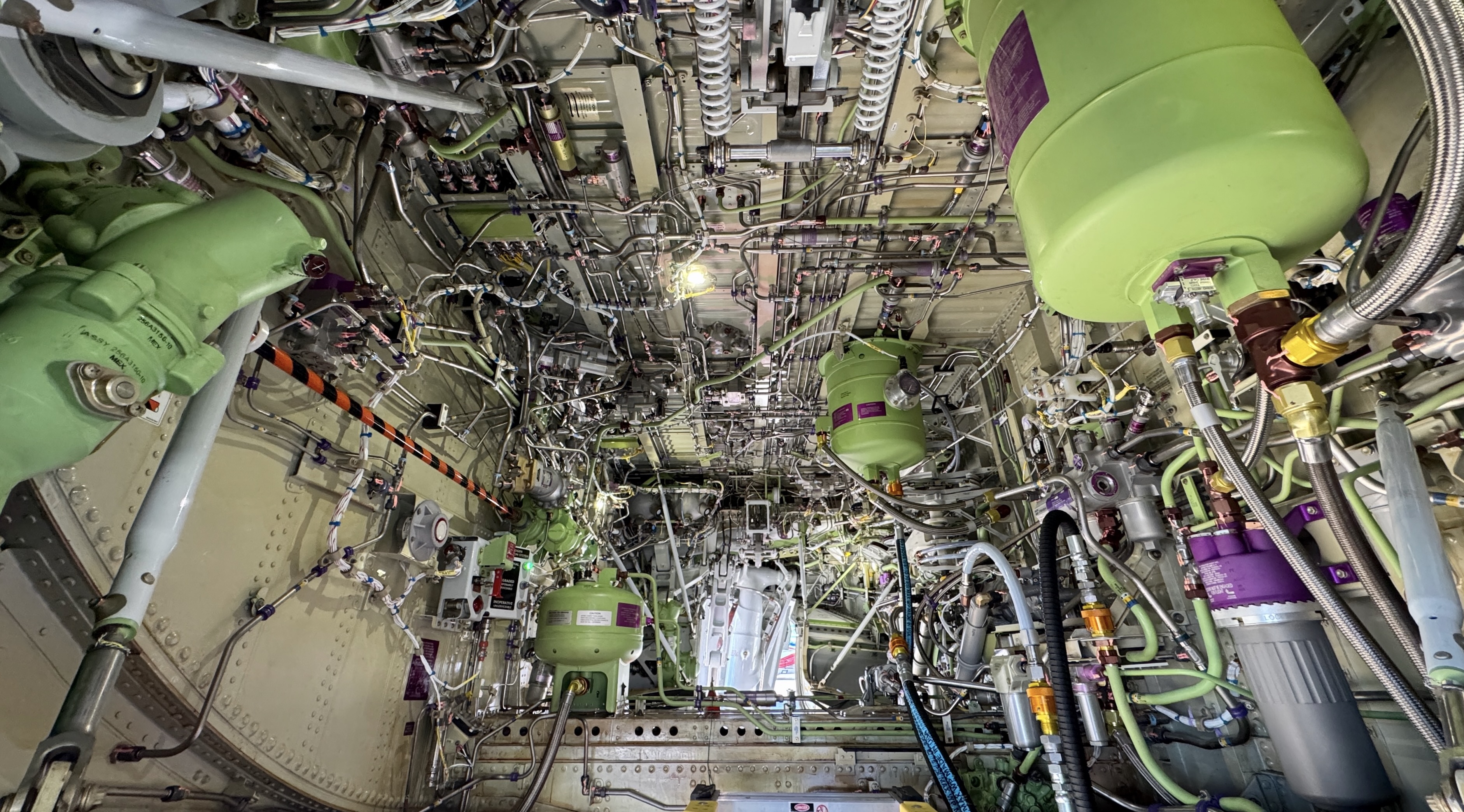

Only because this is is part of something that’s been consuming my time and attention for four years:
Not riding the entire distance — although the idea has merit — but a quick trip up a short section from the Columbia River.
Arrived just after sunrise. Uphill from the Columbia River on the rail trail grade to Doris. Into the wind. On a gravel roadbed.
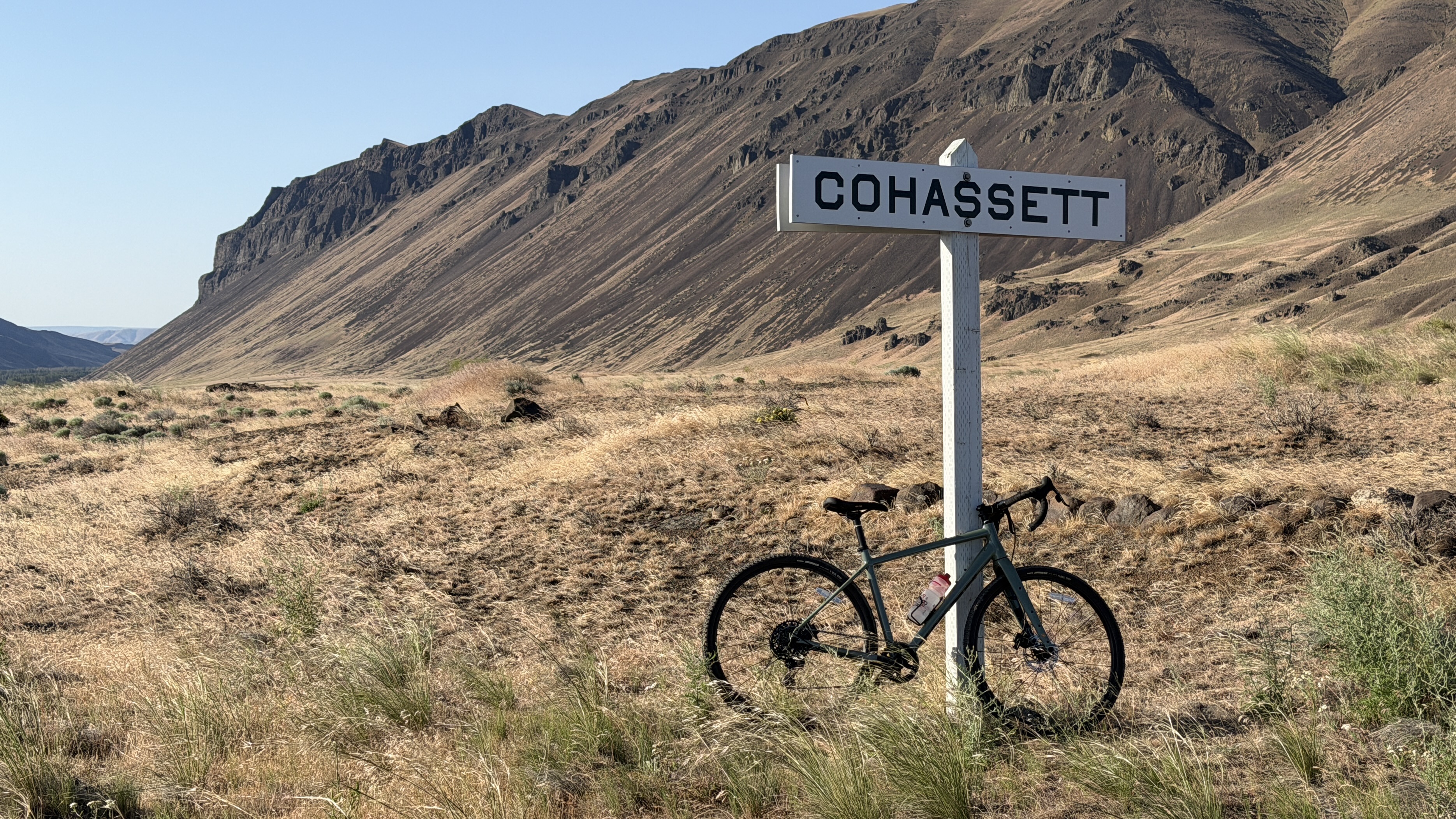
On the plus side, the ride down the grade was considerably faster.
AI-illustrated. AI-narrated. But the warning is clear.
Right, well, it was time.
I upgraded my mid-2017 Mac with a new one.
So, new, green, M4 iMac ordered, received, unboxed, and running. It’s a bit larger display and a far thinner package.
There are some minor drawbacks that I’ll have to work with or around.
For example, my mass data-storage arrays (8TB & 12TB) are USB-3. This machine is so new, USB-3 is no longer a thing. It’s four-port USB-C these days. So, I added a simple Port Replicator and have a few USB-3-C gender-benders. (can we still use that term? eh… whatever.)
Oh, and, of course, there’s no optical-anything drive these days. I still need it to watch my assorted DVD collections. I can’t even source a new-old-stock Apple Superdrive. But, for now, the old USB-3 Superdrive functions with it (aforementioned gender-benders).
Until it eventually fails.
But it is nice to have ready access to regular OS updates and patches.
Just coming to terms with the reality that my daily-driver desktop was built in mid-2017… and that it’s nine years old. It’s been upgraded as much as is technologically feasible.
I’ve known the future is always coming, but when it gets there, we sometimes try to deny or bargain or justify or make excuses.
The denial is: it’s a to end machine…for 2017. :/
The justification is: it mostly works. Mostly.
Excuses?
– it’s tax season and I don’t want to spend the money until my taxes are done, and
– I’m no longer in “Teh Biz” and haven’t needed to be near a bleeding edge of tech for about seven years
So, yeah, I’m having a hard time justifying the cost of a given class of computer and necessary upgrades.
Time to upgrade?
Maybe.
Eh… I’ll file it under: ignore until later

